
Two rainy seasons shape the year in Kenya: one stretching from roughly March to mid-June, the other from October to November, with the exact timing shifting annually. Anyone weighing the best time to visit Kenya ends up planning around those windows. No official source points to a single perfect period, yet rainfall can still make roads difficult.
What you’re reading is an independent guide with no link to any government body. For entry rules and the eTA, head to the Kenya Directorate of Immigration Services portal at etakenya.go.ke/how-to-apply. Applications aren’t handled here, and no fees are collected.
Kenya’s Rainy Seasons Explained
When travellers plan around Kenya’s weather, two rainy seasons are what matter most. The Government of Canada notes that these normally fall between October and November, and again from March through mid-June, though every year differs. Think of them as approximate windows rather than firm calendar dates.
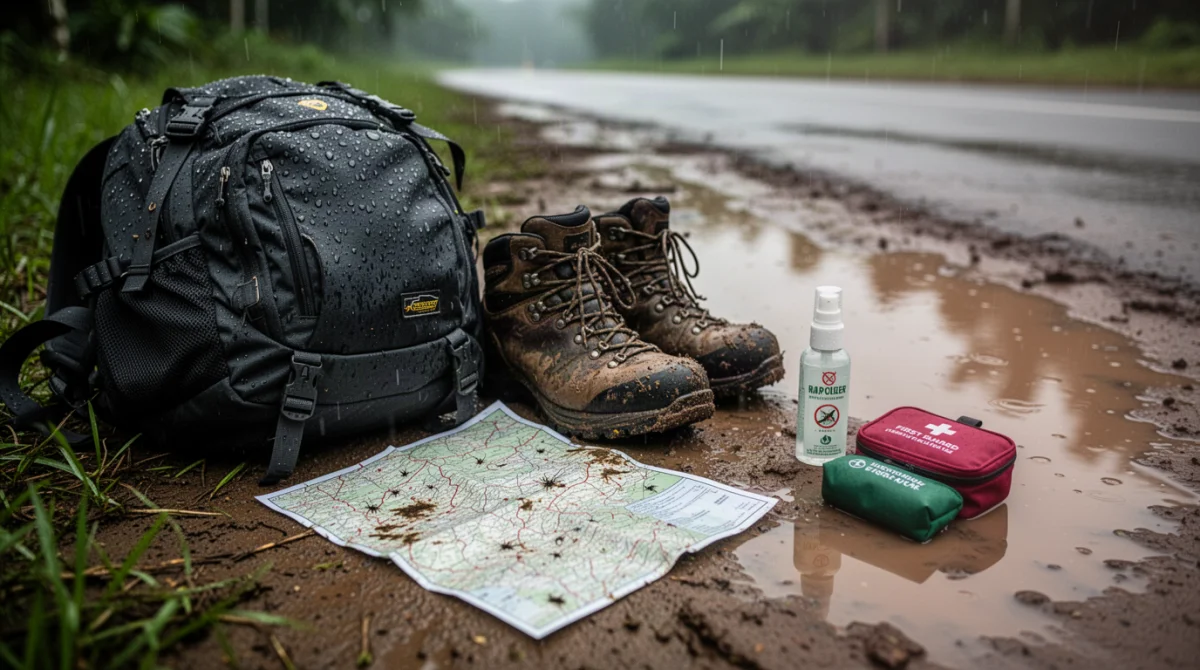
Official guidance never singles out one best time to visit Kenya. It does warn about seasonal flooding, such as flash floods and mudslides, that can interfere with overland journeys. The risk of chikungunya, meanwhile, changes with the season and the region.
How Rain Affects Safari Travel
Getting to the parks can be slower when it rains, since flooding and mudslides cut into overland routes, and plenty of parks sit far from help, with emergency services scarce.
Roads call for caution at any time of year. Deadly crashes happen often, especially along the Mombasa Highway, and travellers are advised not to drive after nightfall beyond towns and cities. One detail many visitors overlook: national parks don’t accept cash, so bring a card.
Seasonal Health Considerations for Visitors
The biggest health factor that changes with the seasons is mosquitoes. Malaria poses a risk in some areas at certain times of year, dengue strikes travellers, and chikungunya fluctuates according to season, year, region and altitude.
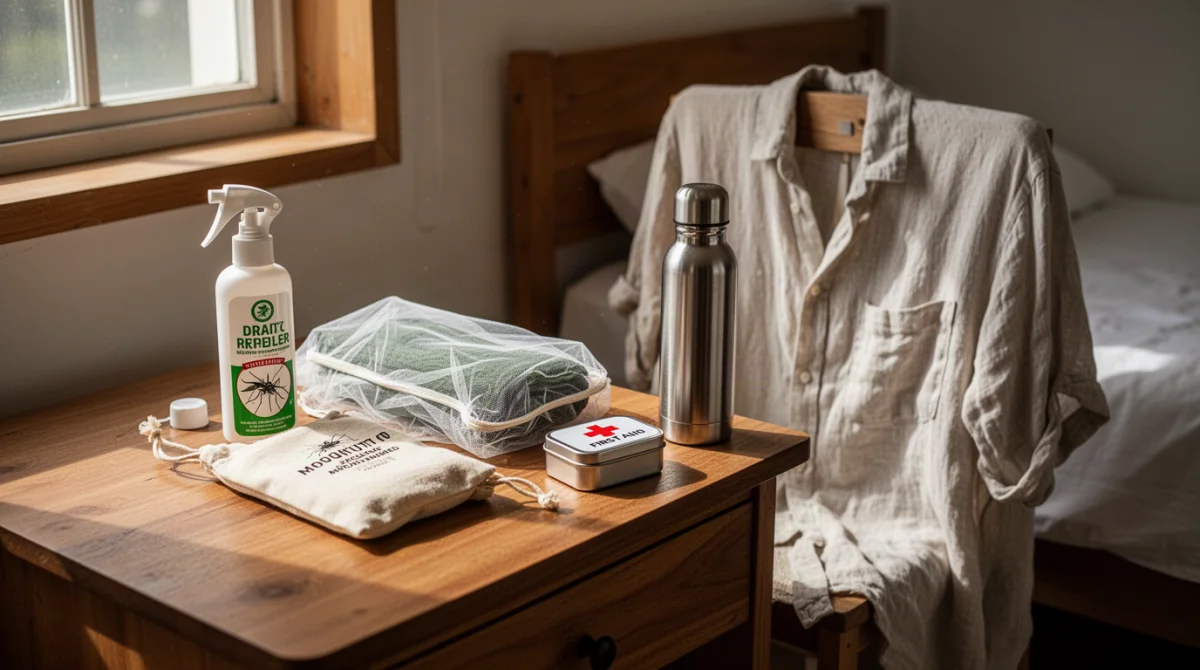
Apply an approved repellent to exposed skin, choose loose clothing in light colours, and sleep under a net when your room isn’t fully sealed, as the Government of Canada recommends. Unpasteurized dairy is best skipped as well. Rift Valley fever can be transmitted through infected animals, mosquito bites or raw dairy products.
Frequently Asked Questions (FAQ)
When is the best time to visit Kenya for a safari?
No season carries an official designation as the best one. Rainfall typically falls between October and November and from March to mid-June, and the timing shifts each year, so plan for possible delays on the road. Arrange your eTA at etakenya.go.ke/how-to-apply before departure.
What periods make up Kenya’s rainy seasons?
There are two, according to the Government of Canada: normally October to November and March to mid-June. Since the dates move from year to year, view them as wide windows rather than fixed ones.
Can rain impact safari trips in Kenya?
It can. Overland travel may be disrupted by flooding and mudslides, and many parks lie in remote places where emergency services are limited. During wet months, keep your plans flexible.
Are cash payments accepted at national parks in Kenya?
They don’t. For park fees and services, carry a card or use another electronic payment method.
Which health risks should I take into account while visiting Kenya?
Malaria, dengue, chikungunya and Rift Valley fever are the ones to watch, and some of them vary with season, region and altitude. Infected animals or unpasteurized dairy can also pass on Rift Valley fever. Check that your routine vaccinations are current before you go.
In Kenya, what can I do to protect myself against diseases spread by mosquitoes?
Apply an approved repellent to exposed skin, choose loose clothing in light colours, and use a net in rooms that aren’t fully enclosed.
During rainy seasons in Kenya, is driving safe?
Take extra care behind the wheel. Deadly accidents are frequent, especially on the Mombasa Highway, and drivers are advised against travelling after dark outside urban centres.
In Kenya, does malaria risk change with the season?
It does, in some areas and during particular months. Lower your risk by using bite prevention measures.
Sources and verification
- Kenya eTA portal, ETA Eligibility, lists of countries and eTA categories (verified 2026-10-13)
- Kenya Directorate of Immigration Services, eTA: How to Apply, exemptions, required documents, processing time (verified 2026-10-13)
- Government of Canada, Kenya travel advice, rainy seasons, safety and health concerns (verified 2026-10-15)