
Travellers heading to Kenya should exercise a high level of caution. Canada flags the threat of terrorism and widespread crime, while a number of counties bordering Somalia, South Sudan and Ethiopia are closed to visitors. The main safari areas and central Nairobi remain reachable as long as you take ordinary precautions.
You are reading an independent tourist guide, and it has no connection to any government body. We do not accept payments and we do not submit anything on your behalf. Your application should go exclusively through the eTA portal at etakenya.go.ke/how-to-apply, and it is worth visiting that page once more shortly before departure.
Regional Safety Risks and Travel Warnings
The bulk of the danger is concentrated in the north and in certain stretches of the coastline.
Counties Bordering Somalia
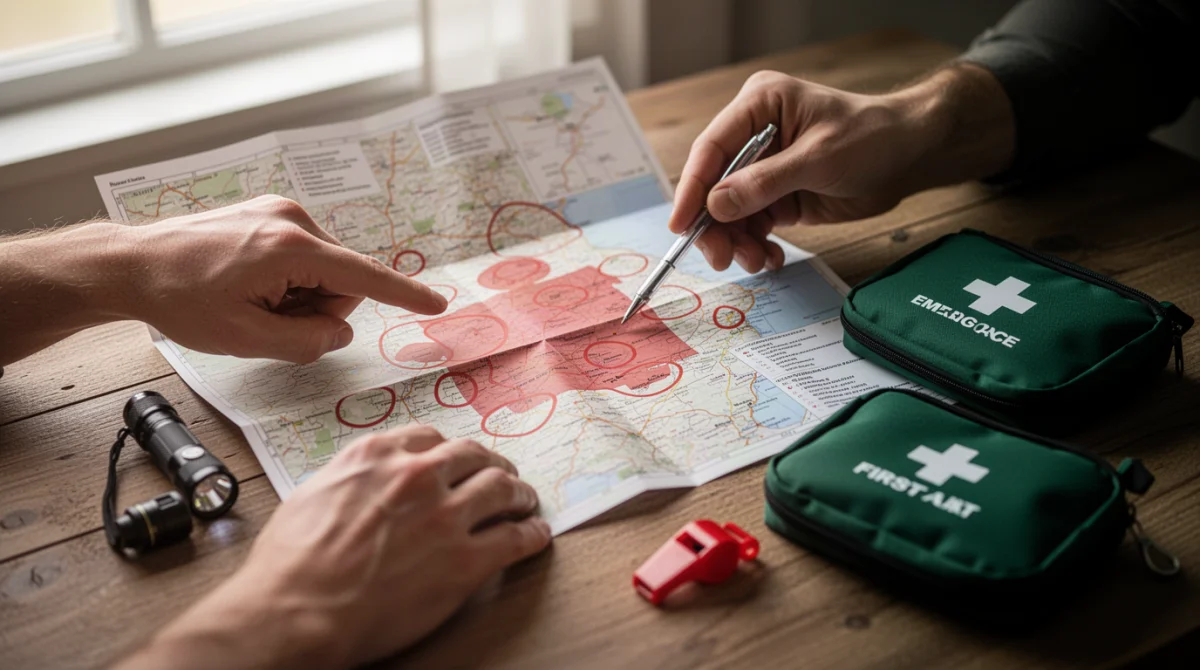
Steer clear of Mandera, Wajir, Garissa and Lamu counties close to Somalia, where the main worries are terrorism, kidnapping and armed attacks. The UK FCDO lists particular zones: travel is ruled out for Mandera County, for Tarbaj and Wajir East apart from Wajir Town, and for Wajir areas lying within 60 km of the border. Within Garissa County everything is off-limits apart from Garissa Town, Lagdera and sections of Balambala. The warning does not extend to Lamu and Manda islands.
Northern Border Counties
Travel to Turkana and Marsabit counties within 110 km of the Ethiopian and South Sudanese borders should be avoided; terrorism, kidnapping and armed banditry are the reasons given. For Moyale Town and the 5 km surrounding it, only essential travel is permitted.
Coastal Risk Areas
Stay away from the coastal belt lying within 50 km of Tana River County, and from Kilifi County north of Malindi. The FCDO also marks the 15 km strip between the Tana and Galana rivers for essential travel only.
Urban Crime Hotspots
Inside Nairobi, non-essential trips to Kibera should be skipped. No location is immune to terrorism, and that includes the capital. Brief “express” abductions aimed at small ransoms have taken place around Nairobi hotels and transport hubs, while carjackings have targeted tourists near the airports of Nairobi and Mombasa. Travelling contrary to FCDO advice may leave your insurance void, so take a look at our Kenya additional entry requirements page.
Emergency Numbers and Kenya Police Contact
Store these numbers before you land.
- All emergencies: 112
- Police: 999
- Ambulance: 999
- Fire brigade: 999
Protests may turn violent with almost no warning, and security forces have deployed tear gas, water cannons, rubber bullets and on occasion live ammunition. Curfews may be introduced without prior notice.
Keep identification and a printed copy of your eTA with you when passing police checkpoints. Emergency services inside national parks are scarce, so always go with licensed guides.
Practical Kenya Safety Travel Advice for Tourists
For visitors, routine everyday hazards create more problems than the risks that make headlines.
Transport and Road Safety
Deadly road accidents happen frequently, particularly along the Mombasa Highway, so do not drive after nightfall outside towns and cities. Buses, matatus, boda bodas and tuk tuks are not safe. For the Nairobi to Mombasa route, the Madaraka Express is dependable. The Likoni Ferry is best avoided, and bear in mind that piracy occurs in coastal waters.
Crime Prevention Tips
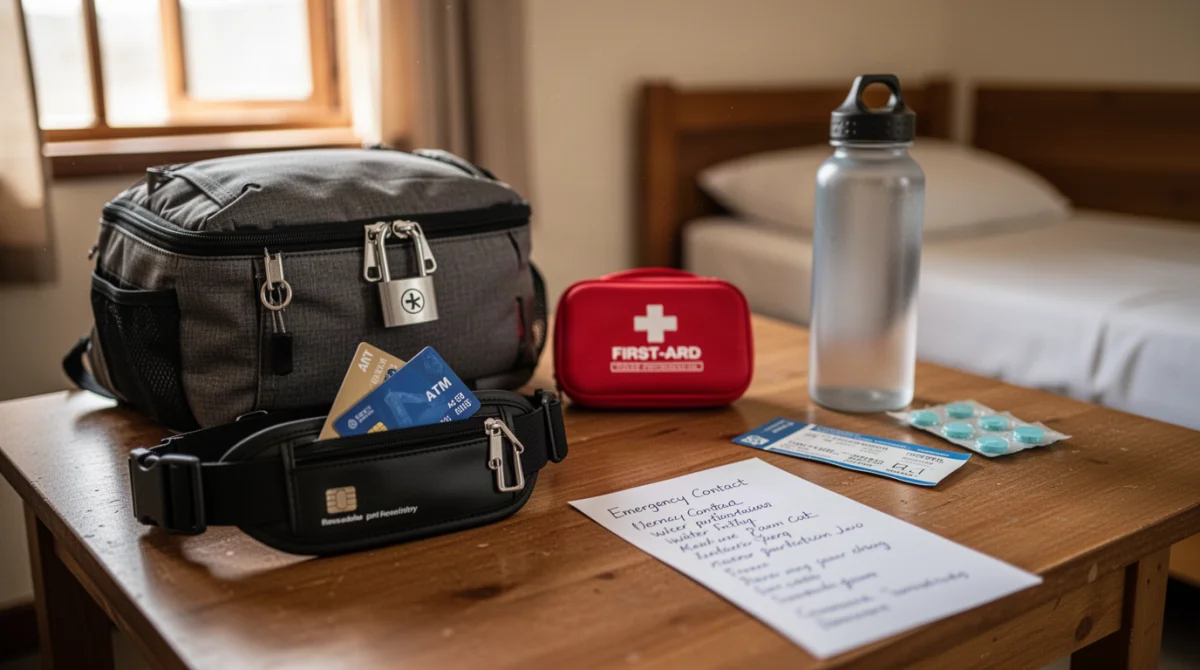
Food and drinks should never be left unattended, and you should turn down snacks, drinks or cigarettes offered by people you have just met, since these can be laced with drugs that leave you vulnerable to robbery and sexual assault. Fraud involving cards and ATMs is widespread, and there are cases of people being followed and robbed after taking out cash. Solo female travellers may encounter harassment.
Health and Water Safety
The sea along the coast is hazardous even for confident swimmers, as riptides are frequent and no lifeguards patrol the beaches. Take out travel insurance that covers your itinerary and any emergency expenses, and have a look at our Kenya health and vaccinations page.
Frequently Asked Questions (FAQ)
What are the emergency contact numbers in Kenya?
For police, ambulance or fire you dial 999, while 112 handles general emergencies. Write both down on paper as a backup in case your phone runs out of battery.
For tourists, is Kenya a safe country to travel to?
Yes, provided you stay cautious. The Government of Canada recommends a high degree of caution in Kenya because of the terrorism threat and a high crime rate, though the no-go advisories do not apply to the main safari circuits or to central Nairobi.
Which Kenyan counties ought tourists to steer clear of completely?
Canada recommends avoiding all travel to Mandera, Wajir, Garissa and Lamu counties, as well as to Turkana and Marsabit within 110 km of the borders.
Which number can be used to get in touch with the police in Kenya?
You reach the police in an emergency by dialling 999. When stopped at a checkpoint, remain calm, keep your hands where they can be seen, and have your passport and a copy of your eTA within reach.
Which safety travel recommendations for Kenya are relevant to national parks and safaris?
A large number of parks and reserves sit in remote locations where emergency services are scarce, and visitors have fallen victim to crime while on safari, which is why you should always travel with licensed guides.
In Kenya, is it safe to travel by matatu and boda boda?
No. Buses and matatus are unsafe and are often caught up in deadly crashes, while boda bodas and tuk tuks are regularly involved in accidents. The Madaraka Express connecting Nairobi and Mombasa is dependable.
If I find myself caught up in a curfew or a demonstration in Kenya, what steps should I take?
Get away fast and without drawing attention. Should a curfew come into force, go back to your hotel and remain indoors.
Which travel safety guidance for Kenya addresses ATM fraud and drink spiking?
Fraud with cards and ATMs is common, and some people have been followed and robbed after taking cash out. Never leave food or drink unattended, and never accept snacks, drinks or cigarettes from people you have just met.
Sources and verification
- Kenya eTA portal: eligibility and fees (verified 2026-10-13)
- Kenya Directorate of Immigration Services: how to apply (verified 2026-10-13)
- Government of Canada: travel advice for Kenya (verified 2026-10-15)
- UK Foreign, Commonwealth & Development Office: travel advice for Kenya (verified 2026-10-13)