
Customs controls in Kenya are strict. Plastic bags are not allowed, you have to declare cash from USD 10,000 upwards, and remaining past your eTA can end in a fine or deportation.
The guide you are reading is independent and has no connection to the government. Where we can, we point you to official sources so you can verify things on your own; we neither collect fees nor submit applications for anyone. For up-to-date fees and processing times, visit the Kenya eTA portal.
Plastic Bag Ban and Prohibited Items
Travellers arriving from Poland, the United States, the United Kingdom, Canada, Australia and numerous other countries must hold an approved eTA. Look up the Kenya visa entry requirements that apply to your nationality.
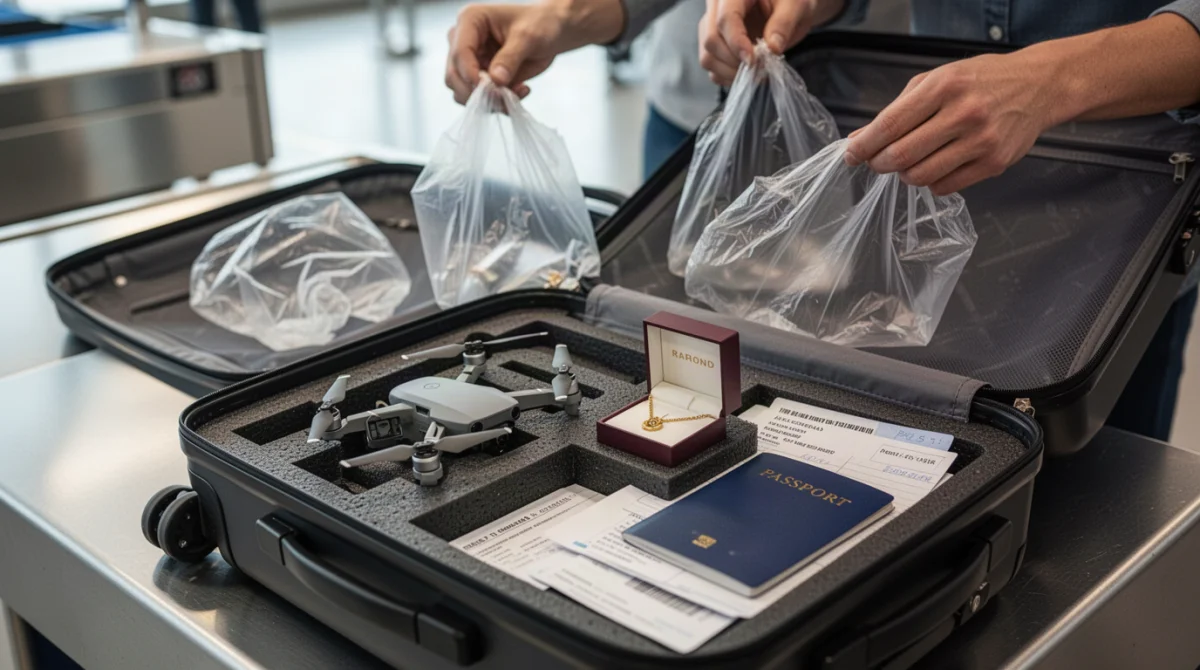
Producing plastic bags or bringing them in, garbage and shopping bags included, is against the law as the Government of Canada reports. Anyone convicted can be fined as much as USD 40,000, sentenced to up to two years behind bars, or both. Before boarding your flight, take every plastic bag out of your luggage.
Among the items you may not bring in are fake money, pornographic materials, narcotic drugs, shisha, toy guns and counterfeit goods.
Certain goods, among them precious metals, arms and ammunition, ivory and drones, need permits before customs will release them as the Kenya Revenue Authority explains. Sort out your authorization before you arrive.
Kenya Customs: Currency and Duty-Free Limits
Anyone carrying USD 10,000 or more in cash has to declare it both when entering and when leaving. Every passenger completes the Passenger Declaration Form (F88).
The KRA allows passengers a concession of USD 2,000 covering personal and household goods, while used personal effects carry no tax. Anything above those limits is handled in the Red Channel, where officers inspect the goods and work out the duties owed:
| Category | Duty-Free Limit |
|---|---|
| Spirits (including liquors) or wine | 1 litre, or wine not exceeding 2 litres |
| Perfume and toilet water | Half litre total, perfume max quarter-litre |
| Cigarettes, cigars, tobacco, snuff | 250 grammes combined |
You must also declare purchases worth more than USD 500, inherited items, goods meant for someone else and anything you intend to sell. Staying inside the allowances lets you use the Green Channel with a spoken declaration. Supplying false information counts as an offence, and under Section 203 of EACCMA 2004 undeclared goods can be seized. Payment details are covered in money and payments in Kenya.
Overstay Penalties and How to Extend
Staying beyond your permitted time without approval breaks immigration law, and serious cases can result in being barred from re-entry, according to the Department of Immigration Services.
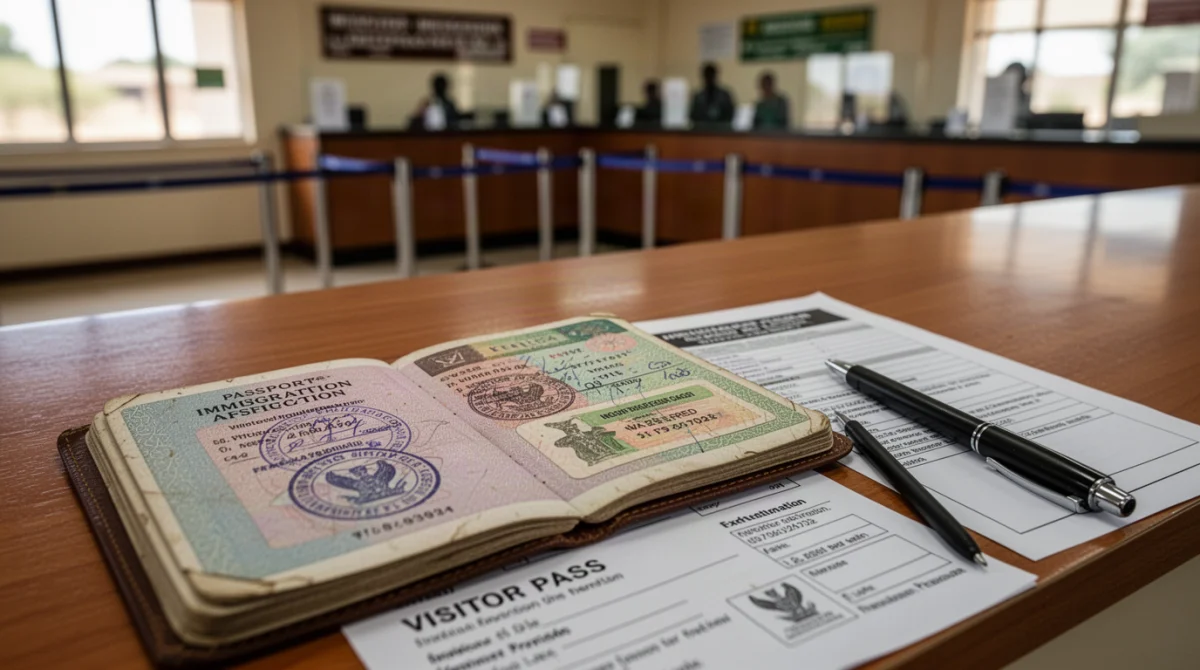
If you wish to remain longer, go in person to a Kenyan immigration office and ask for a visitors pass extension before your eTA runs out. Taking a job or volunteering while holding a tourist visa is not permitted and can bring heavy fines, as much as five years in jail and deportation.
Should your passport be lost or stolen, report it straight away and arrange replacement documents before you depart. Further guidance sits on the How to Apply page.
Common Mistakes to Avoid
Do not pack plastic bags
Tourists are not exempt: fines up to USD 40,000, up to two years in jail, or both. Choose reusable or fabric bags instead.
Declare cash of USD 10,000 or more
Currency worth USD 10,000 and above must be declared on arrival and departure. Keep proof of your declaration.
Extend before your eTA expires
The extension request must be submitted while your eTA or visa is still valid.
Do not assume duty-free is always exempt
Alcohol or perfume bought in airport shops beyond the limits still requires a declaration. Keep your receipts.
Frequently Asked Questions
How much cash can I bring into Kenya without declaring?
Sums below the equivalent of USD 10,000 need no declaration. From that figure upwards, declare on arrival and again on departure.
What penalty applies for taking plastic bags into Kenya?
Tourists included, those convicted may be fined as much as USD 40,000, spend up to two years in prison, or face both penalties.
May I extend my Kenya eTA if I wish to stay for a longer time?
You can. Go to a Kenyan immigration office in person and apply for a visitors pass extension while your eTA is still valid.
What customs regulations in Kenya concern duty-free alcohol and tobacco?
You may bring 1 litre of spirits or wine (or wine up to 2 litres), half a litre in total of perfume and toilet water, with perfume making up no more than a quarter litre, and 250 grammes combined of cigarettes or tobacco. Declare anything beyond these amounts.
What are the consequences if I stay beyond my authorized period?
Fines, detention or deportation can follow if you stay on without approval. Serious breaches may mean you are barred from entering Kenya again.
Which items are strictly forbidden from entering Kenya?
The list covers fake money, pornography, narcotic drugs, shisha, toy guns and counterfeit goods.
Is it necessary to declare gifts upon entering Kenya?
Yes. Gifts count as goods brought for someone else and must be declared. The same applies to items you bought and are carrying in your accompanied baggage that are worth over USD 500.
How do the green and red customs channels function?
Passengers who have nothing to declare and remain within the duty-free allowance use the Green Channel. The Red Channel is meant for goods that are dutiable or restricted. In either channel, officers may examine your baggage.
Sources
- Kenya Revenue Authority – Passenger Terminal Clearance in Kenya – duty-free allowances and how the customs channels work (verified 2026-10-13)
- Department of Immigration Services, Kenya – Travellers’ obligations – penalties for overstaying and the rules on extensions (verified 2026-10-13)
- Government of Canada – Kenya travel advice – penalties linked to plastic bags and the currency declaration rule (verified 2026-10-15)
- Kenya Directorate of Immigration Services – eTA: How to Apply – the eTA requirement and the documents you need (verified 2026-10-13)
- Kenya eTA portal – ETA Eligibility – the kinds of eTA, the fees and which countries qualify (verified 2026-10-13)